
In the Studio with Carolina Sardi
September 3, 2025
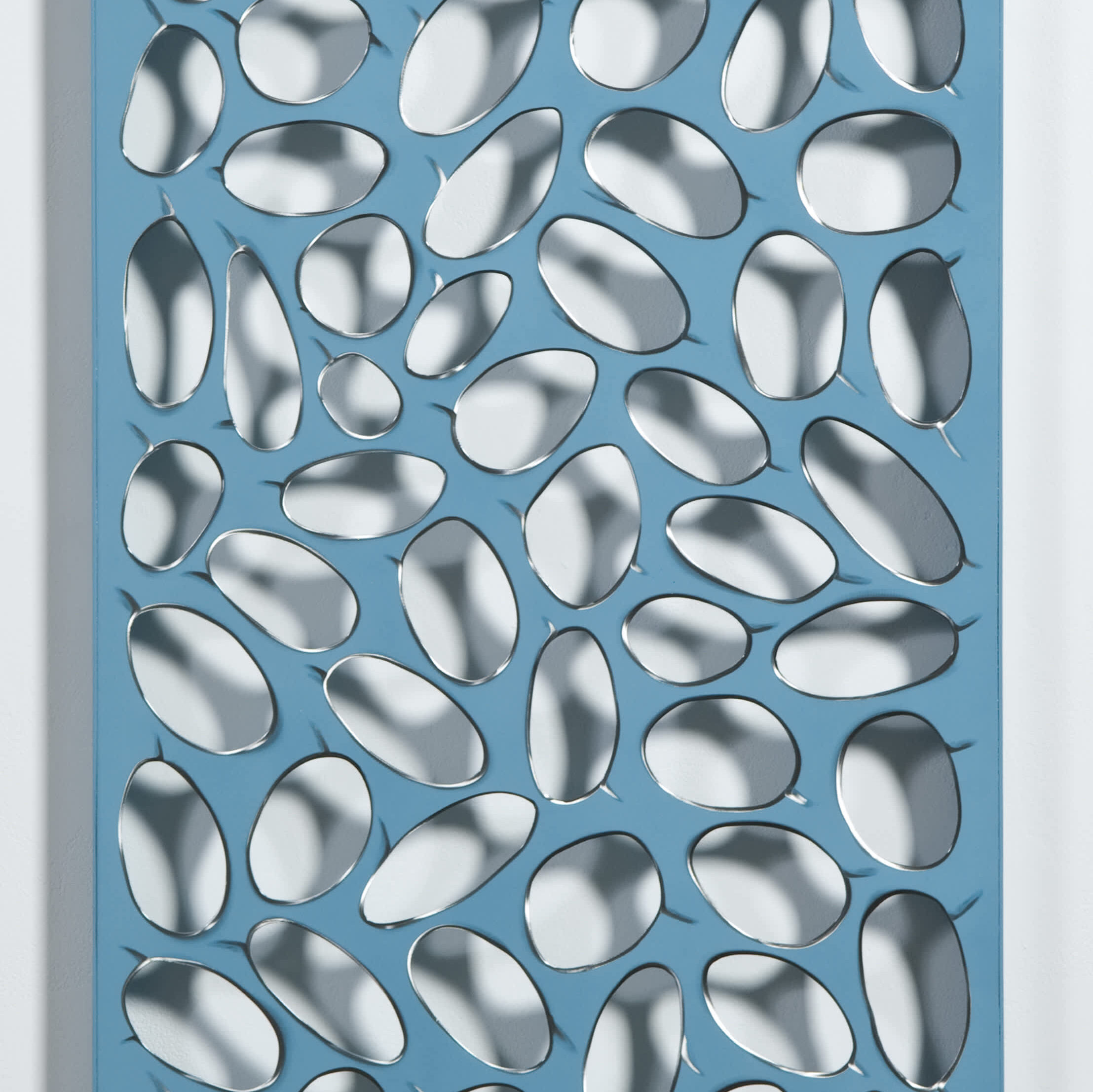
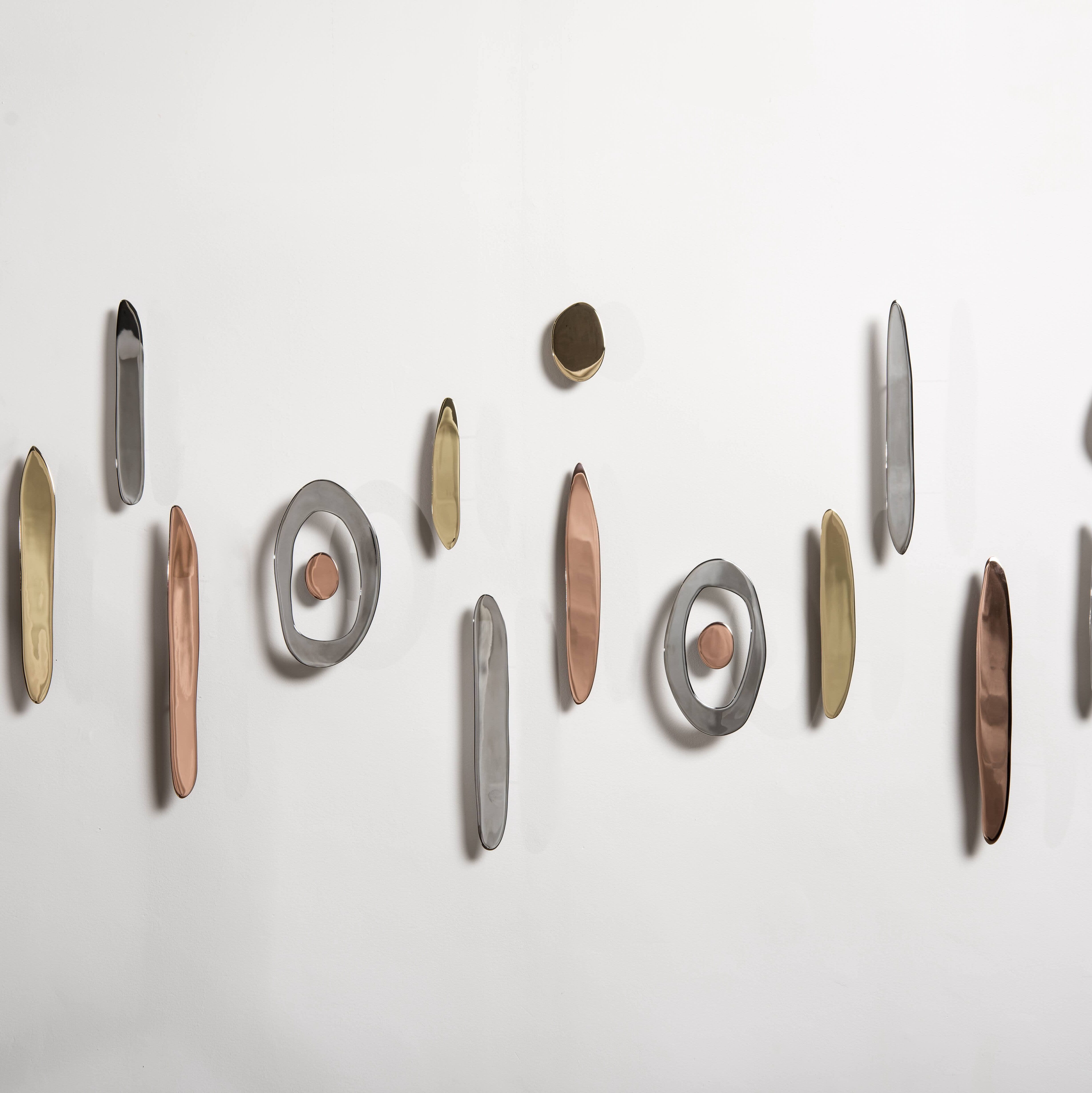
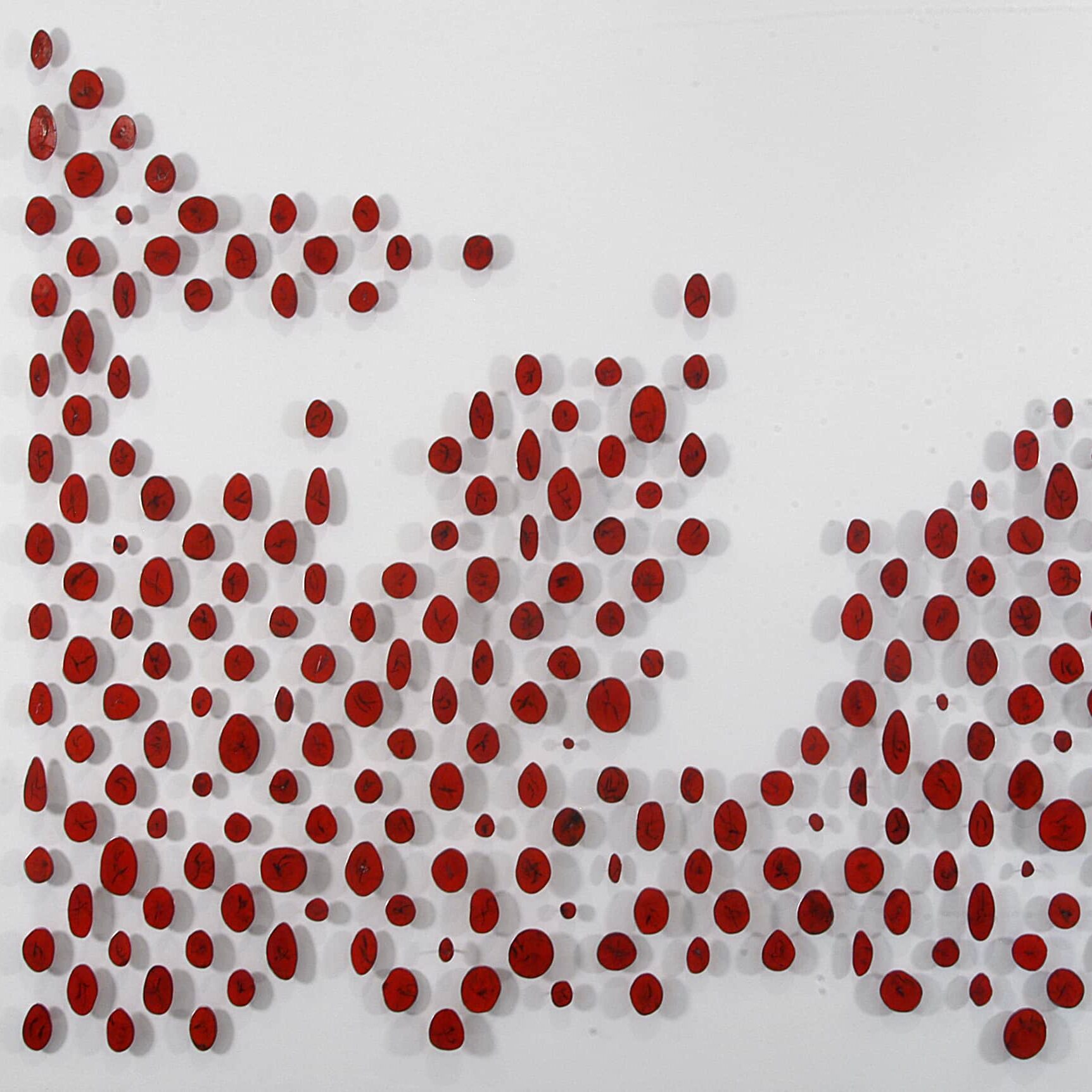
Sculptor Carolina Sardi virtually sat down with us to discuss her artistic background and practice. Sardi’s art is an expression of her world vision. She tries to convey the maximum amount of information in the most minimal but essential forms. Although she works mainly with steel, her sculptures and installations have an organic sensibility that reflect her interest in the basic interactions of life. The reference to geometry, natural shapes and the use of positive and negative spaces are a response to the search of a balance between opposites.
Wall compositions are separated from the surface of the walls with a distance of one or two inches, creating a floating effect in the space that is enhanced by lights and shadows. The blank walls become the medium and support for each one of these installations. The free standing and hanging pieces use the void as the main visual element. Space it’s a medium and transparency it’s always an important factor in these pieces.
Color, or the absence of it, is used to emphasize the strength of each shape and the placement of the shape in the space. The concept behind each artwork is as important as the image and the space is as important as the shapes that create the whole composition. Subjects and messages are open to personal interpretations. The interaction with the spectator brings forth multiple ways of reading each composition.
CBCA: What’s your background? Did you always want to be an artist?
CS: I was born in Argentina and my first elementary school teacher told my mom to send me to art school. I was always drawing … so I started going to art school when I was 10 years old. Art has always been a source of happiness for me, so when I had to decide on my college education, I knew that doing my art was what it will keep me happy no matter what.
CBCA: What excites you to make your work? Why do you make art?
CS: Making art is a blessing and a curse…. I make art because it is a personal necessity, and it is what makes me happy. Art is also a way to connect with people, to express myself and to make the world a better place. Art is not a must, but it is an inevitability for the spirit and the human soul.
CBCA: What kind of creative patterns, routines or rituals do you have? What time of day do you prefer to work?
CS: I like to wake up before sunrise, drink my tea and go for a long walk by the ocean. My ideal day is getting to the studio around 9 am. I can then tackle the tasks on my to do list or/and get lost on the creative process without paying attention to my phone, texts and emails.
CBCA: How do you begin a work? Do you research? If so, how?
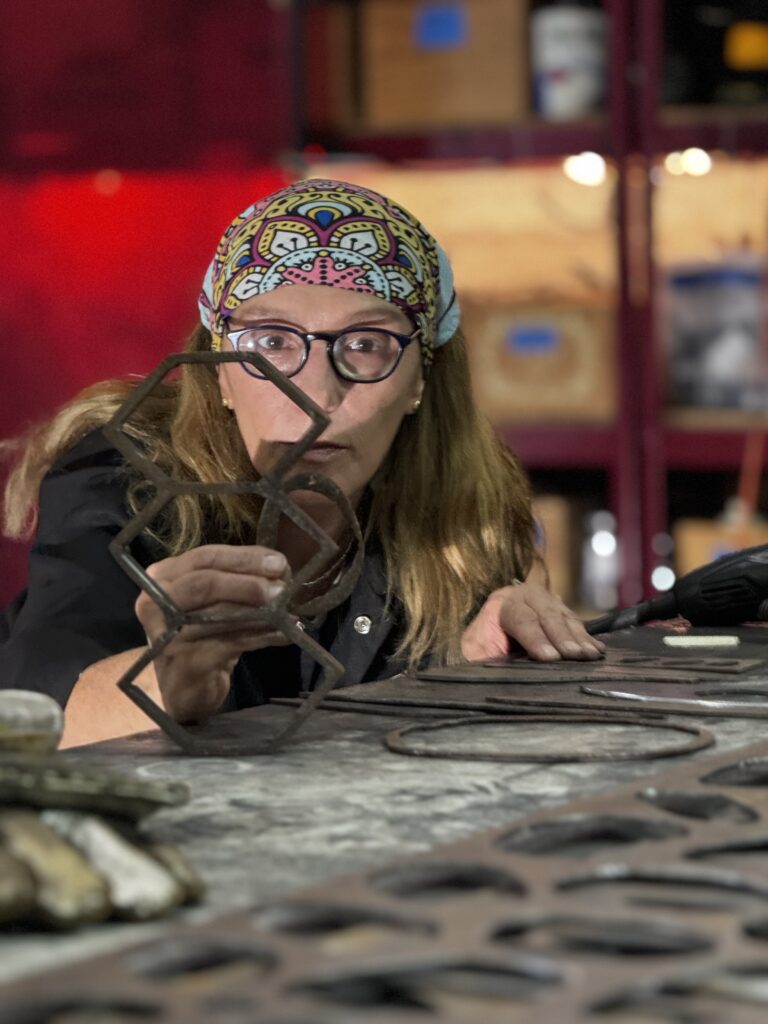
CS: I do a lot of sketches and focus on the subject matter first. I can also write, read and research. When a final aesthetic image is achieved, I work on scale drawings to transfer my ideas to the real materials, size and environment.


CBCA: What do you do to procrastinate?
CS: …… For me, procrastinating is a way to meditate and get to the right Zen/ Zone moment when your mind is clear and focused to work in your work. I procrastinate every morning… it takes me about 3 hours to get out of my home and go to the studio. Those 3 hours include tea, breakfast, reading the newspapers, walk or exercise, meditate and drive to the studio. If I can’t do all of that I feel pressured and not at ease.
CBCA: What thoughts go through your mind when you create?
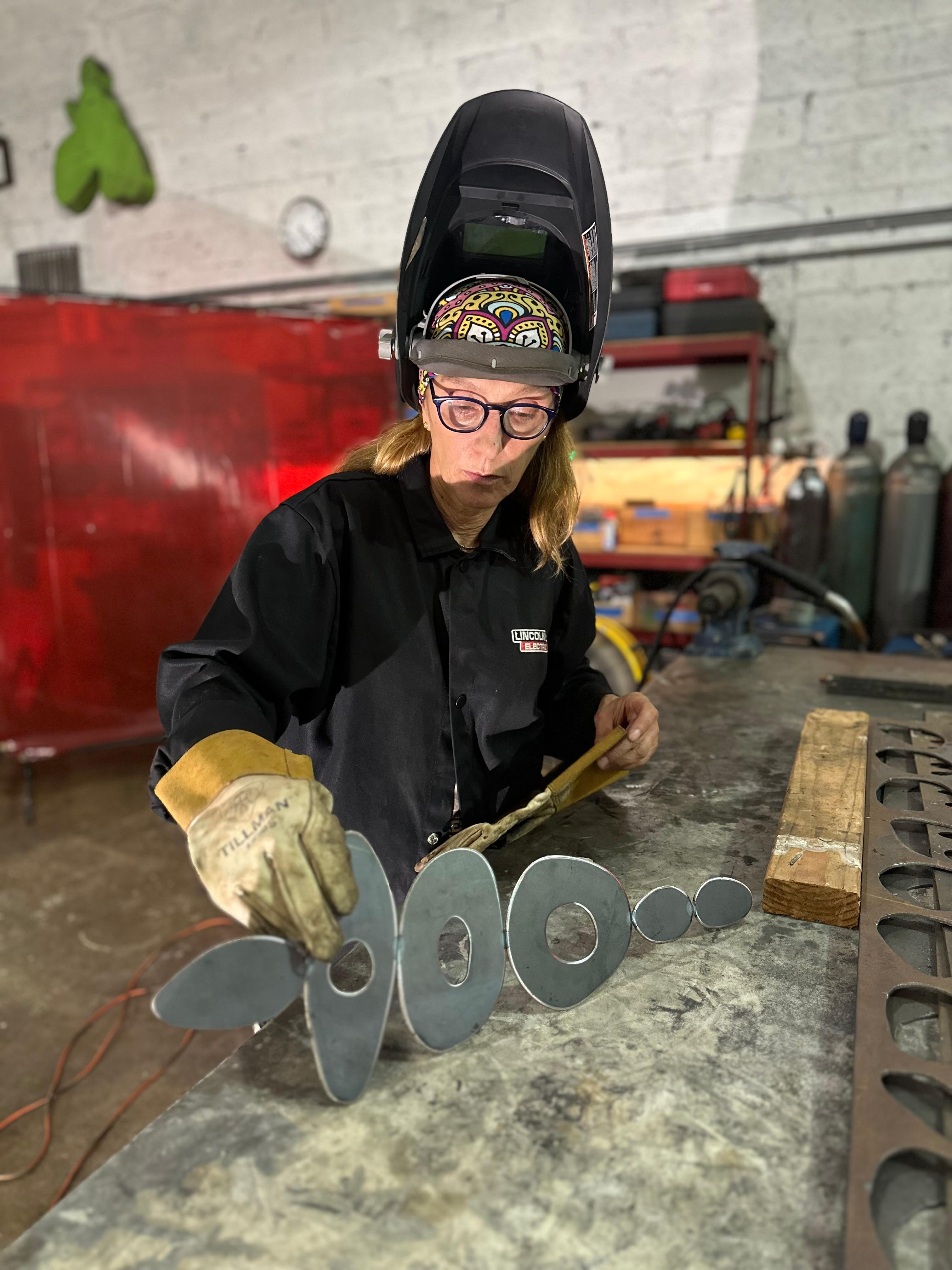
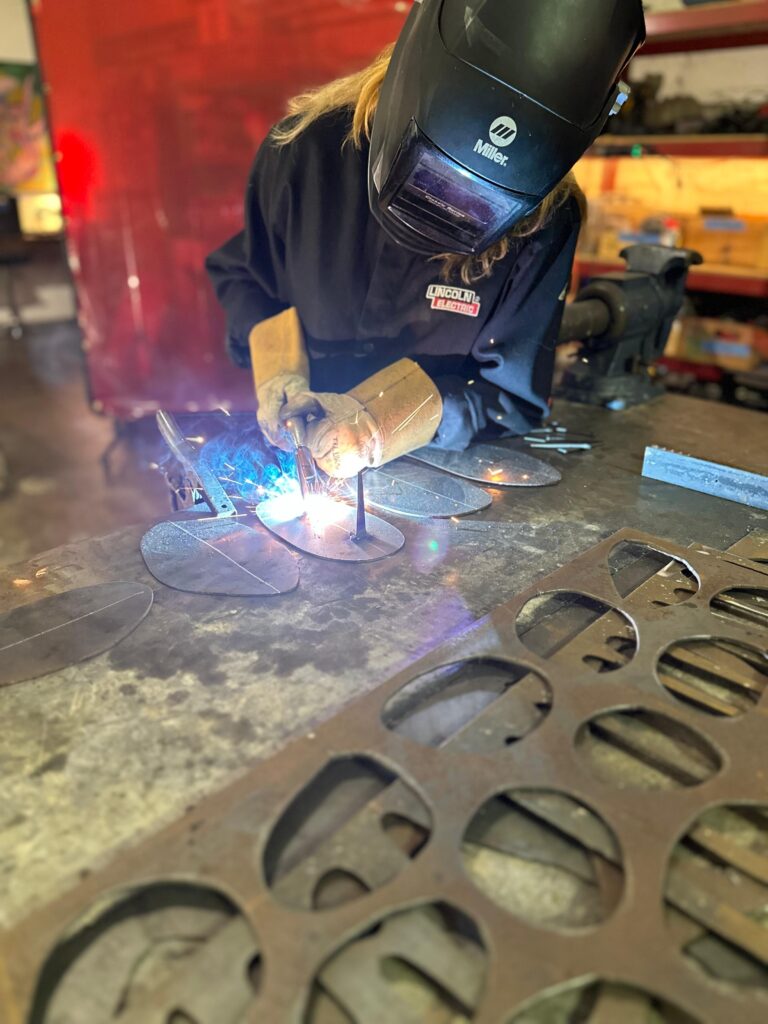
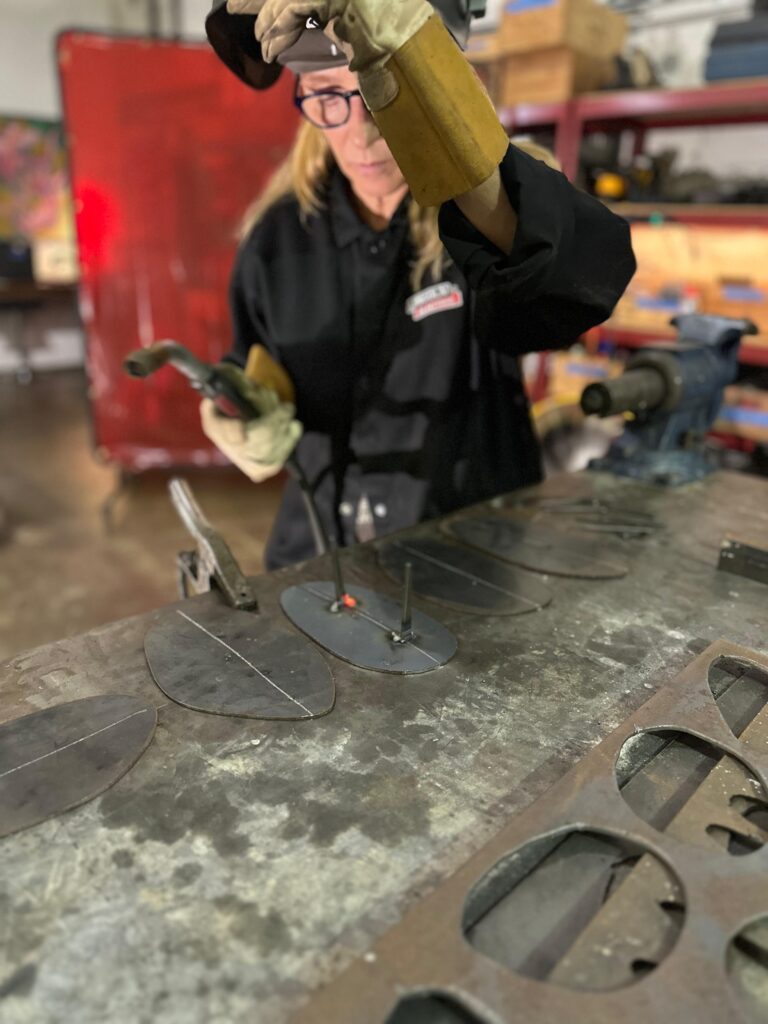
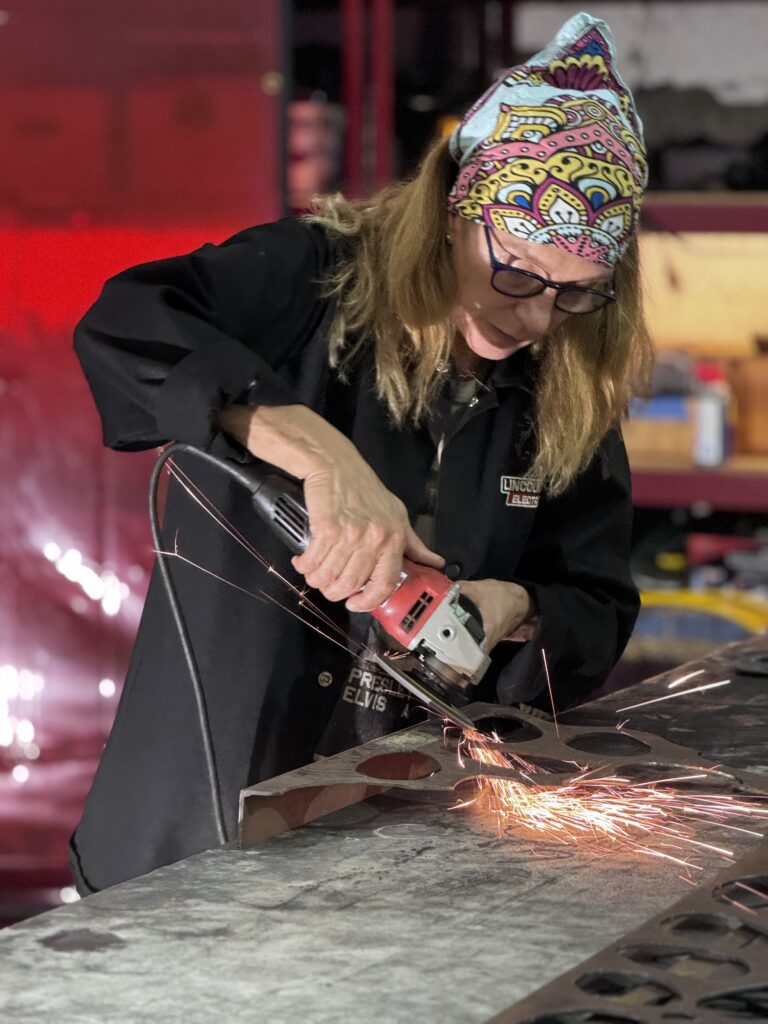
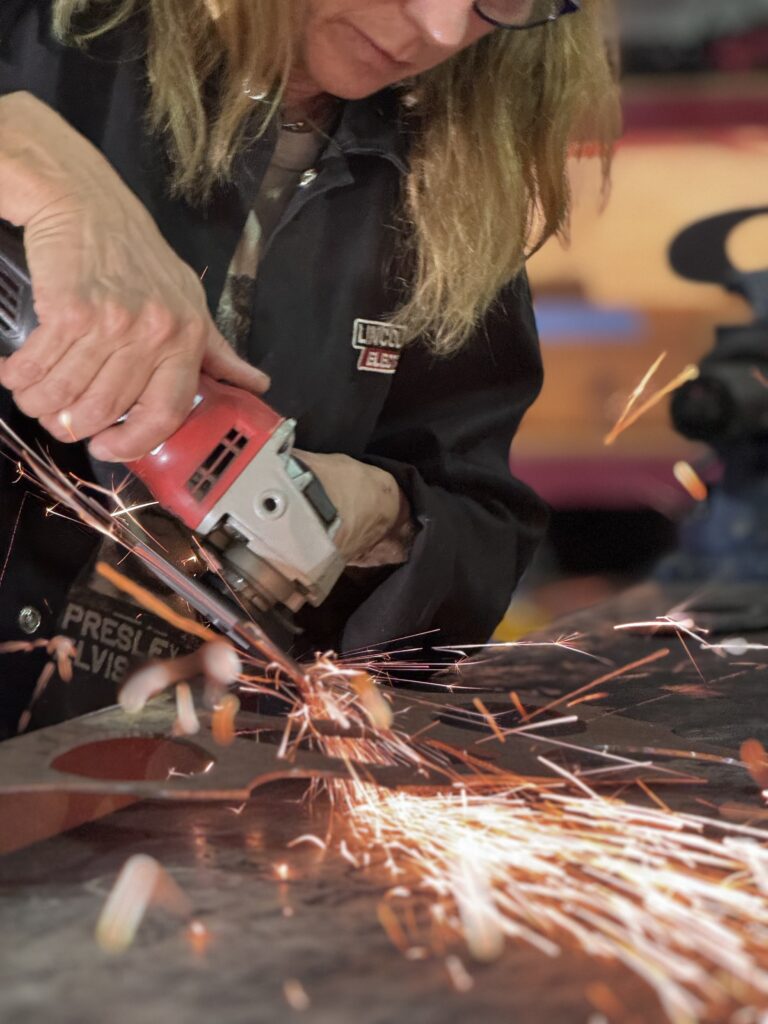
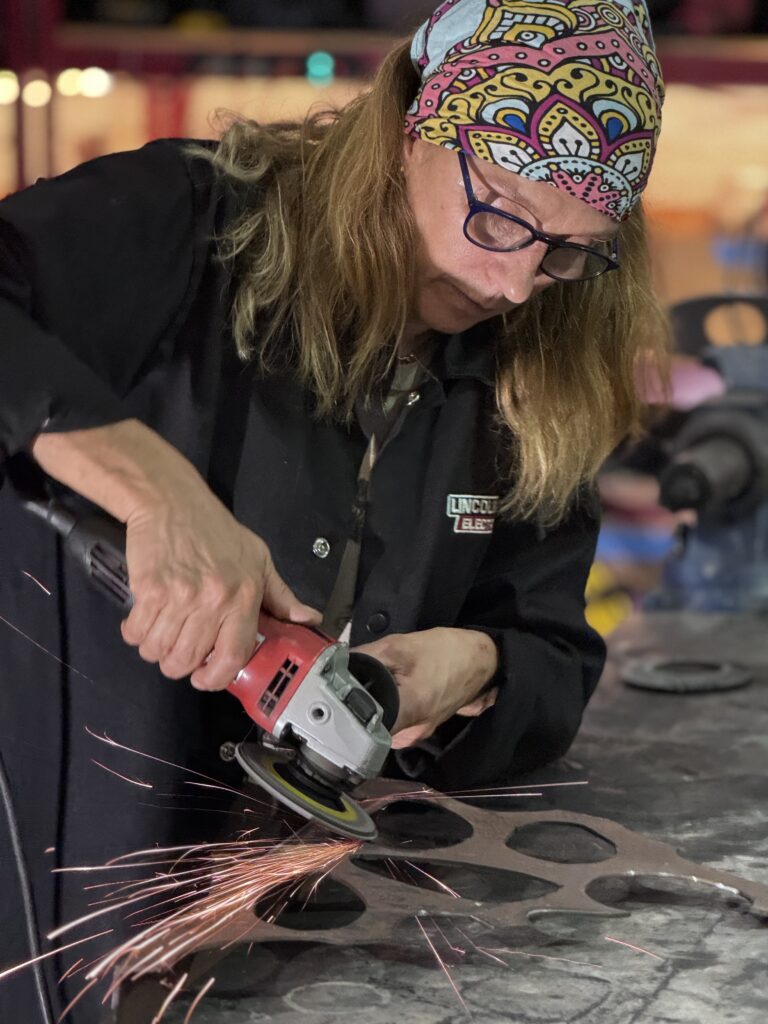
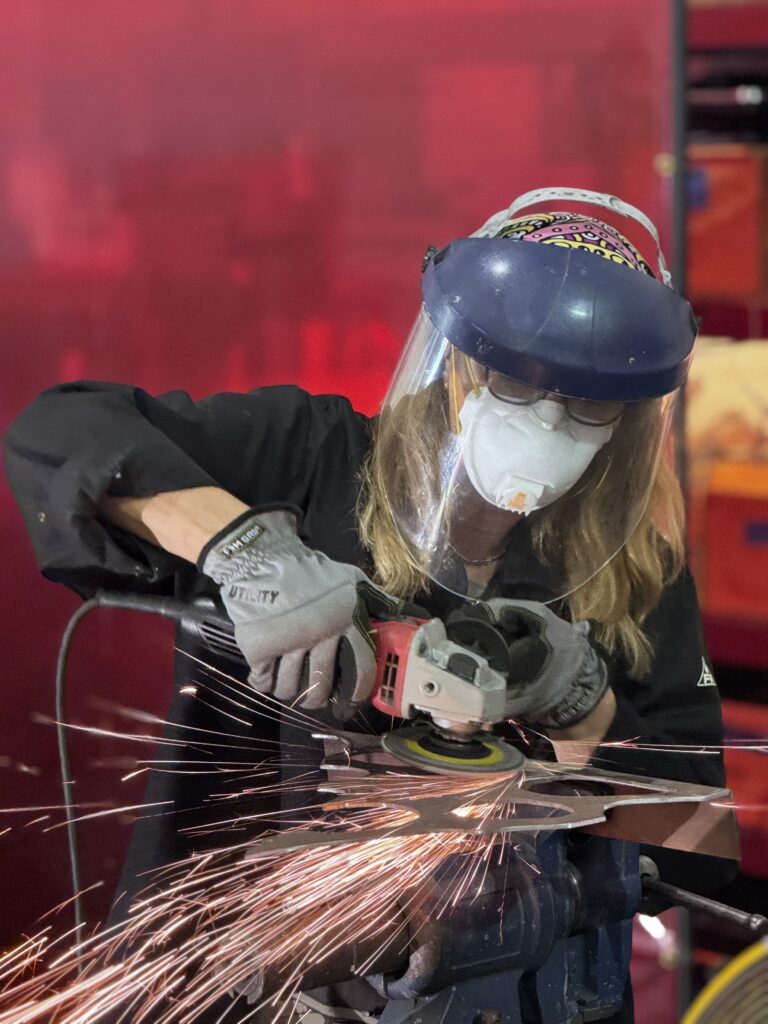
CS: When I work in my art my mind gets into a meditation mode. My work involves repetitive tasks and physical work as grinding, polishing and welding. I believe the hard work required to achieve the desired outcome enriches the art piece. When performing the different labor-intensive chores required to create my pieces, I often think about what the work is about, what are the different meanings and the significance behind an art piece.
CBCA: What artist(s) or movement(s) have influenced your work?
CS: I love the work of many different artists. My three favorite artists are Martin Puryear, Louise Bourgeois and Caravaggio. The Arte Concreto-Invencion movement from Argentina has been a big influence in my work. I studied with one of the founders of the movement, Enio Iommi, and the aesthetics and the social implicitness of the movement had been an influence in my work until today.
CBCA: What informs your work? What themes do you pursue?
CS: My work is about Nature and the human condition. My pieces are about the deep connections between every component of the universe. The reference to natural shapes, geometry and the use of positive and negative spaces are my response to the search of a balance between opposites. I work mainly with steel, but my sculptures and installations have an organic sensibility that reflects my interest in the basic interactions of life.
CBCA: Why/How have you chosen your medium?
CS: I chose to work in steel when I decide to pursue sculpture. Sculpture was a challenge for me; and steel was a medium that could help me to achieve the different aesthetic and conceptual elements of my artistic expression.
CBCA: Which creative medium would you love to pursue but haven’t yet?
CS: I worked an many different mediums, but I have not worked with textiles yet and is a medium that I really would love to explore.
CBCA: What are you trying to communicate with your art?
CS: I like to inspire people with my work. I like to induce contemplation. I believe the work gets richer with the public’s interpretations, so I like to keep the messages open and encourage the viewer to think of the many different meanings and messages behind the work.
CBCA: Is there a reason you use different mediums for different pieces?
CS: Mediums are a “medium” to express different messages. Materials and finishes may vary depending on the desired aesthetic, functional and conceptual outcome.
CBCA: What is your most intriguing experience as an artist?
CS: I love challenges. Give me a difficult space or project and I will get worried, excited and thrilled to work on it and solve the puzzle.
CBCA: How has your work progressed? How has your practice changed over time?
CS: If the work is not changing, I will get bored. I’m always looking for new ways, techniques and solutions. I have created different series and types of works, and my work has evolved and changed in the use of concepts, materials, finishes and aesthetics.
CBCA: How do you balance art with your daily life?
CS: I need to take a break from the studio, go home and do something else besides my work. I take walks and I swim in the ocean to unwind. I read and I recently started to try recipes and cook. All the above things make me take a distance from the work and get back to it with a fresh outlook.
CBCA: What have you learned from failure?
CS: Failure can be a learning process which, at the end, can be equal to success.
CBCA: As an artist, how do you define success?
CS: Success is doing what you love to do and be able to live your life doing what you love to do.
CBCA: Describe a real-life situation that inspired you.
CS: Inspiration can come in many forms and real-life situations are a constant inspiration for my work.
I have been particularly inspired by physics and science. I always like when scientific discoveries relate to religion, mysticism and art. I like to read about all of those topics, and they usually influence what I create.
Carolina Sardi

Carolina Sardi
Carolina Sardi

Carolina Sardi

Carolina Sardi
Carolina Sardi

